




Capacity Planning for Chilean Copper Mine Waste-Rock Processing
Chile stands as the world leader in copper extraction, producing massive volumes of waste rock alongside mineral-rich ore. Historically, overburden and non-bearing host rock were routed directly to permanent tailings facilities or waste dumps. However, modern environmental regulations and civil infrastructure demands have shifted how mining operations approach waste management. Repurposing mine waste rock into high-specification aggregates for haul road maintenance, dam construction, and local civil projects presents significant economic opportunities. Achieving reliable throughput requires rigorous capacity planning that accounts for material hardness, feed variability, and harsh high-altitude operating conditions. Selecting suitable processing machinery, such as an optimal stone crusher Chile(chancadora de piedra Chile) mining operators rely on, ensures consistent production while lowering long-term operating costs.

Contents |
[edit] Understanding Chilean Waste-Rock Metallurgy and Feed Dynamics
Waste rock from copper porphyry deposits differs substantially from standard quarry stone. Planning plant capacity begins with evaluating physical material characteristics to determine sizing reduction ratios and mechanical loading.
[edit] Key Geomechanical Properties
- Extreme Compressive Strength: Porphyry host rocks, granodiorites, and altered quartzites frequently exceed 250 MPa in unconfined compressive strength, requiring heavy-duty crushing chambers.
- High Silica Content and Abrasiveness: Elevated quartz levels accelerate metal liner wear, making wear life projection a core component of daily capacity calculations.
- Unpredictable Blast Gradation: Run-of-mine waste rock varies from large, un-cracked boulders to high proportions of fine material, creating severe surge loading risks on primary feeders.
[edit] Primary Circuit Design: Selecting the Primary Sizing Stage
Primary reduction serves as the anchor for total system capacity. An under-sized primary stage creates immediate bottlenecks across downstream secondary screens and fine crushers.
[edit] Primary Sizing Strategies
- Heavy-Duty Compression Reduction: Handling large, abrasive pit boulders requires robust compression equipment. Deploying a primary jaw crusher(chancadora de quijada) delivers high reduction ratios while absorbing intense mechanical stress.
- Managing Surge Volumes: Mining waste circuits must pair primary heavy feeders with an appropriately sized rock crusher to maintain continuous, uniform material delivery.
- Pit-Face Sizing vs. Centralized Processing: Position primary reduction equipment close to the waste dump face to reduce haul distance for oversized rock before conveying processed material to central stockpiles.
[edit] Sizing and Secondary Reduction Circuit Optimization
Once primary reduction brings run-of-mine waste down to manageable dimensions, secondary circuits balance feed streams to achieve target aggregate gradations.
[edit] Secondary Sizing and Shaping Workflow
- Scalping Pre-Screening: Grizzly feeders remove natural fines ahead of the primary jaw crusher, preventing liner packing and freeing up internal crushing volume.
- Intermediate Compression Sizing: Material passing from the primary stage moves to high-capacity cone units or heavy-duty secondary reduction circuits designed for high-abrasion ore.
- Secondary Sizing Control: Utilizing a secondary rock crusher(trituradora de rocas) operated under choke-fed conditions ensures tight particle size distribution and improves aggregate shape for road base applications.
- Final Screen Classification: Multi-deck vibrating screens separate processed rock into distinct commercial and structural fraction sizes.
[edit] Capacity Calculation Parameters for High-Altitude Sites
Standard factory throughput ratings assume sea-level operating conditions and moderate rock hardness. Capacity planning for remote Chilean mines must incorporate site-specific derating factors.
[edit] Essential Derating Considerations
- Altitude Power Corrections: Hydraulic drives and internal combustion engines lose efficiency at altitudes exceeding 3,000 meters, requiring oversized drive packages for every deployed stone crusher Chile site managers specify.
- Choke-Fed Reliability: Continuous throughput relies on maintaining steady head levels above the secondary rock crusher, requiring intermediate surge bins equipped with variable-speed belt feeders.
- Liner Replacement Schedules: Because silica-rich waste rock rapidly degrades wear parts, maintenance schedules must schedule planned liner swaps during lower-demand operational windows to protect annual tonnage goals.

[edit] Integrating Waste Processing into Mine Lifecycle Management
Evaluating waste-rock utilization as a continuous process rather than a temporary crushing campaign secures long-term cost advantages for mining operations. Choosing a durable aggregate or mineral stone crusher Chile operators trust for continuous duty allows mines to convert environmental liabilities into usable construction assets. Matching primary jaw crusher intake dimensions with realistic blast size profiles prevents bridging and guarantees stable hourly tonnage. Furthermore, configuring each secondary rock crusher with automated gap setting controls protects equipment from tramp iron while maintaining exact aggregate specifications. Through accurate capacity forecasting and robust circuit selection, mining companies in Chile can maximize waste-rock recovery, lower civil infrastructure costs, and build sustainable mineral processing models.
Featured articles
Check out some of the best features and news from Designing Buildings as well as key stories from around the web.

National Scheme of Delegation introduced.

The cost of employing people remains a concern.
Code of Practice for Electrical Energy Storage Systems.

ECA calls on members to comment on draft 4th edition.

Bringing together expertise and creating cultural benefits.

CIOB celebrates positive Ofsted report.

The Building Safety Regulator announces a call for evidence.

Government approach could undermine delivery and regeneration.
World's first mass timber data centre.
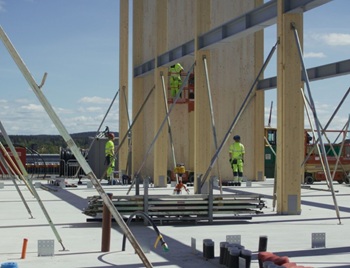
The overlooked environmental aspect of data centre development.
Introduction to radon awareness
New technical information sheet published by CIOB.

Updated supplier guide can help electrical contractors engage with NHP.

CIAT confirm the winners of the 2026 architectural technology awards.
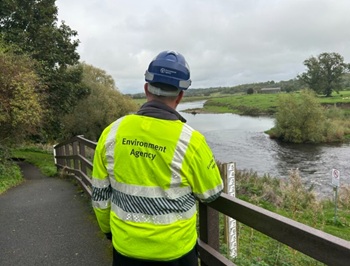
Government launches a one stop shop for flood preparedness.